
How to Choose the Perfect Apparel Fabric Combo
Aug 26th 2026
When most people think about choosing a radiation protection apron, they think about lead equivalency and size. But once you've settled on those fundamentals, there's another decision that determines how the apron looks, feels, and holds up over years of daily use: the fabric.
The fabric is what you see, what you touch, what contacts your skin and your scrubs every shift. It's also what takes the beating of daily wear, cleaning chemicals, accidental spills, and the general abuse of a busy imaging department. Choosing the right fabric isn't just cosmetic. It affects comfort, durability, and whether staff want to put the garment on.
The Four Fabric Families
Standard Polyester
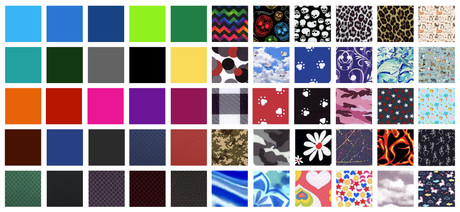
Standard Polyester is the foundation of Techno-Aide's fabric lineup. It's a lightweight, liquid-repellent, filament-reinforced material that provides reliable protection for the internal shielding media while keeping the garment weight down. Standard Polyester is available in a wide range of solid colors making it easy to color-code by department, role, or personal preference.
This is the workhorse option. It's durable, cleans easily, dries quickly, and holds its appearance through years of use. For departments outfitting a large staff where consistency and value matter most, Standard Polyester in a uniform color is the practical choice.
Comfort Polyester
Comfort Polyester steps up the feel. It's an ultra-smooth, lightweight, liquid-repellent, filament-reinforced fabric with a noticeably softer hand feel compared to Standard Polyester. The smoothness against bare arms and neck skin from a softer fabric during a long shift reduces irritation and makes the garment feel less like PPE and more like clothing.
Comfort Polyester is available in two color options. For departments where staff wear protective apparel for extended periods such as cath labs, interventional suites, or busy fluoroscopy rooms, the upgrade to Comfort Polyester is one of those small investments that pays dividends in wearer satisfaction.
Specialty Polyester
Specialty Polyester is a medium-weight, liquid-repellent, deluxe filament fabric available in both solid colors and patterns. This is where the fun starts. Beyond the standard solid palette, Specialty Polyester comes in dozens of fun prints for any personality.
Patterned fabrics might sound frivolous, but they serve a real purpose in clinical environments. Pediatric departments use kid-friendly prints (Sleepy Sheep, Paws) to reduce anxiety in young patients who see staff wearing what looks like colorful clothing rather than intimidating protective gear. Veterinary clinics love the Paws patterns for the same reason. And individual staff members who get to express some personality through their protective apparel tend to wear it more willingly and consistently.
Reinforced Ripstop Nylon
Reinforced Ripstop Nylon is the durability champion. It's a medium-weight, liquid-repellent, deluxe filament patterned fabric with a distinctive crosshatch reinforcement pattern visible in the weave. If a small tear starts in the fabric, the ripstop reinforcement prevents it from spreading which is a feature borrowed from military and outdoor gear where fabric failure isn't an option.
Ripstop is ideal for high-abuse environments: trauma departments where garments get grabbed in emergencies, busy ERs where aprons see dozens of users per day, and any setting where the garment lifecycle is measured in physical wear rather than calendar years.
Pairing Fabrics with Trim and Binding
Every Techno-Aide garment features binding which is the finished edge material that runs along the garment's perimeter. Binding color is a separate choice from fabric color, and the pairing creates the garment's visual identity. Techno-Aide offers binding in Black and Gray, allowing you to create combinations that range from subtle (Navy fabric with Black binding) to distinctive (Sunshine fabric with Red binding).
The binding isn't just decorative. It's a lightweight, liquid-repellent, durable edge finish that protects the fabric seams from fraying and delamination. Quality binding is one of the first things to check when evaluating any protective garment as poor binding leads to edge separation, exposed internal materials, and premature garment retirement.
Inside and Outside: What Goes Where
On a Techno-Aide garment, the outer fabric is what the world sees, and the interior is what contacts the wearer. Some garments use the same fabric inside and out; others use a different interior material optimized for skin comfort. When placing an order, think about both surfaces:
Outside: Choose based on appearance, departmental color-coding needs, and environmental durability. Standard or Reinforced Ripstop for high-use environments; Comfort or Specialty for wearer satisfaction and personalization.
Inside: Choose based on comfort against skin. Comfort Polyester's ultra-smooth surface is ideal for the interior, even if you choose a different fabric for the exterior. A garment with a Specialty Polyester exterior (for the look) and a Comfort Polyester interior (for the feel) gives you the best of both.
Trim/Binding: Match or contrast with the outer fabric. Consistent binding across a department's garment fleet creates a clean, professional appearance.
Practical Recommendations
For departments ordering in bulk, a consistent approach works well: pick one outer fabric color for the department (or one per role like blue for techs, green for nurses, black for physicians), one binding color, and Comfort Nylon for the interior. This standardizes the look while maximizing comfort.
For individual orders or departments that allow personal choice, the full fabric and color range is available. Staff who get to choose their own fabric and color are measurably more satisfied with their protective apparel and satisfied staff wear their garments more consistently.
Techno-Aide offers the full fabric range across all apron, vest, and skirt styles. Your fabric choice doesn't limit your garment options.