
Lead Apron Inspection & Replacement: What Programs Should Require
Apr 15th 2026
Lead aprons remain among the most critical pieces of personal protective equipment in any radiology department. Yet many facilities lack documented protocols for routine inspection and systematic replacement. Without a structured inspection program, degraded aprons silently compromise the protection of your clinical staff and your compliance posture.
Why Lead Apron Inspection Matters
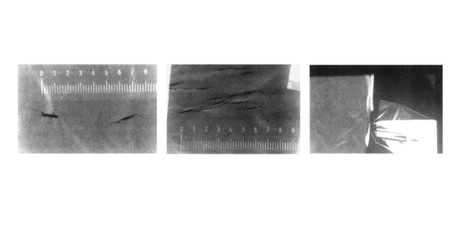
Lead apron degradation is invisible. Unlike a visibly torn lab coat, a crack or void in the internal lead layer may reveal itself only through fluoroscopic or radiographic examination. The Joint Commission mandates annual inspection of all radiation protection apparel. A single undetected defect in a critical organ area can eliminate 50% or more of the apron's protective value.
Inspection Frequency: Meeting Standards
- Annual inspections: satisfy regulatory minimums, appropriate for moderate to light use
- Semi-annual visual and palpation checks + annual fluoroscopic imaging: recommended for high-use areas (interventional radiology, fluoroscopy suites, cath labs)
Visual Inspection: Your First Line of Detection
Visual inspection requires no special equipment and can be performed during routine inventory checks.
What to Examine
- The lead surface: look for visible cracks, holes, punctures, or dark spots indicating lead separation
- Seams and binding: check for fraying, torn seam binding, or areas where stitching has come apart
- Fasteners and hardware: inspect buckles, snaps, and Velcro® closures for wear or breakage
- Hanging straps and shoulders: verify straps are intact and evenly distribute weight
- Signs of creasing or pooling: run gloved hands along both sides feeling for creases, lumps, sagging, or uneven thickness
Visual Inspection Checklist
|
Inspection Item |
Pass |
Fail |
Notes |
|
No visible cracks or holes in lead surface |
[ ] |
[ ] |
|
|
No dark spots indicating lead separation |
[ ] |
[ ] |
|
|
Seams intact; no fraying or loose stitching |
[ ] |
[ ] |
|
|
Buckles, snaps, and velcro functional |
[ ] |
[ ] |
|
|
Shoulder straps intact and even |
[ ] |
[ ] |
|
|
No visible creases, lumps, or pooling when hanging |
[ ] |
[ ] |
|
|
No sagging or uneven thickness |
[ ] |
[ ] |
|
If any item fails, move immediately to fluoroscopic or radiographic imaging.
Fluoroscopic Spot-Check Inspection
Fluoroscopic examination is the gold standard for detecting internal defects that visual inspection cannot reveal.
- Lay the apron flat on the fluoroscopy table
- Use low manual settings (~80 kVp) and do NOT use automatic brightness control
- Examine the entire apron systematically, scanning from top to bottom and side to side
- Account for seams and stitching, which will appear light and are normal
- Document any defects by location, size, and whether they are in a critical organ area
When to Retire a Lead Apron
Rejection Criteria
- Critical organ areas (thyroid, chest, pelvic region): retire if any defect exceeds 15 mm²
- Seam areas, overlapped regions, or back surface: retire if any defect exceeds 670 mm²
- Thyroid shields: retire if any defect exceeds 11 mm²
- Structural damage: retire if seams are extensively compromised or fasteners cannot be reliably repaired
- Age and condition: most quality lead aprons perform well for 3-10 years so consider replacement at 8-10 years even with minor defects
The Role of Proper Storage
The storage mistake that costs the most: folding. When a lead apron is folded, the internal lead layer cracks. These cracks allow radiation to bypass the apron entirely. Hanging is non-negotiable.
- Hang aprons by the shoulders on a sturdy, dedicated apron rack
- Never drape aprons over furniture, chairs, or hooks that concentrate load at a single point
- Avoid extreme temperatures, moisture, or direct sunlight
- Store in a clean, dry area away from harsh cleaning chemicals
Documentation and Compliance Tracking
The Joint Commission requires records of inspection date, type of inspection performed, and inspector name for at least three years.
Effective documentation includes:
- Inspection date and apron identifier or serial number
- Name/initials of the inspector
- Type of inspection (visual, fluoroscopic, radiographic)
- Pass/fail determination and any defects noted
- Next scheduled inspection date
|
Techno-Aide: Manufactured for compliance, tracked for convenience: • All Techno-Aide aprons manufactured in Nashville, TN to NCRP and ACR standards • Apron Hub QR date tag system for simplified inspection tracking • Keeps records organized and audit-ready from any smartphone • Browse protective apparel: techno-aide.com/protective-apparel/ |
Frequently Asked Questions
Q: Does my facility need to x-ray every apron every year?
Visual inspection alone is insufficient to detect internal lead defects. The standard approach is annual fluoroscopic or radiographic imaging of the entire apron, or immediate imaging of any area flagged during visual inspection.
Q: Can aprons be repaired instead of replaced?
Minor repairs — such as replacing a broken fastener or re-stitching a seam — may extend apron life if the lead layer itself is intact. However, any defect in the actual lead must be addressed by replacement. Patching the lead is not a reliable fix.
Q: We store aprons by folding them in a cabinet to save space. Is that acceptable?
No. Folding causes cracks in the lead layer and is the single most common cause of premature apron failure. Use a dedicated apron rack or hang aprons by the shoulders.
Q: How do we know when an apron is too old to rely on?
A well-maintained lead apron typically lasts 5-10 years. If an apron is approaching 8-10 years, has multiple small defects, or shows visual signs of extensive use, consider replacement even if it hasn't hit a hard rejection threshold.