Cath Lab Radiation Protection

Cath Lab Radiation Protection

Jun 11th 2026

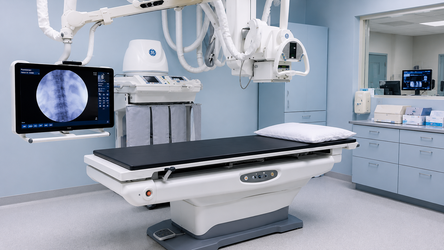
Cardiac catheterization laboratories represent one of the highest radiation exposure environments in healthcare. The combination of prolonged fluoroscopy times, complex patient anatomy, and the operator's proximity to the radiation source creates an occupational exposure profile that demands serious …
Explaining Bilayer Technology

Explaining Bilayer Technology

Jun 5th 2026

Scatter radiation is the primary occupational hazard for interventional staff, and most lead-free shielding materials have never been tested against it. Today, we’re going deeper into the material science behind Techno-Aide’s Bilayer, lead-free core that passes the most rigorous internat …
Deeper Dive into kV Levels

Deeper Dive into kV Levels

Jun 3rd 2026

All radiation protection is not created equal. The apron hanging in your fluoroscopy suite does not provide the same level of protection regardless of the procedure. The truth is that the effectiveness of any radiation shielding material is directly tied to the energy of the X-ray beam it’s tr …
Pediatric Radiation Protection

Pediatric Radiation Protection

May 27th 2026

Pediatric patients are more sensitive to ionizing radiation, they have more years of life ahead in which radiation-induced effects could manifest, and the technical parameters used to image them should be fundamentally different from those applied to adults. Getting pediatric radiation protection ri …
The Lead-Free Testing Gap

The Lead-Free Testing Gap

May 22nd 2026

The shift toward lead-free radiation protection apparel has been one of the most significant trends in radiology over the past decade. Lead-free materials are lighter, more environmentally friendly, and free from the toxicity concerns associated with traditional lead. Hospitals across the country ha …
Lead Apron Care, Storage, and Inspection Guide

Lead Apron Care, Storage, and Inspection Guide

May 20th 2026

A quality lead apron represents a significant financial investment but more importantly, it represents a commitment to staff safety. That investment, however, only pays off if the garment is maintained properly. Improper storage is the single most common cause of premature apron failure, and the res …